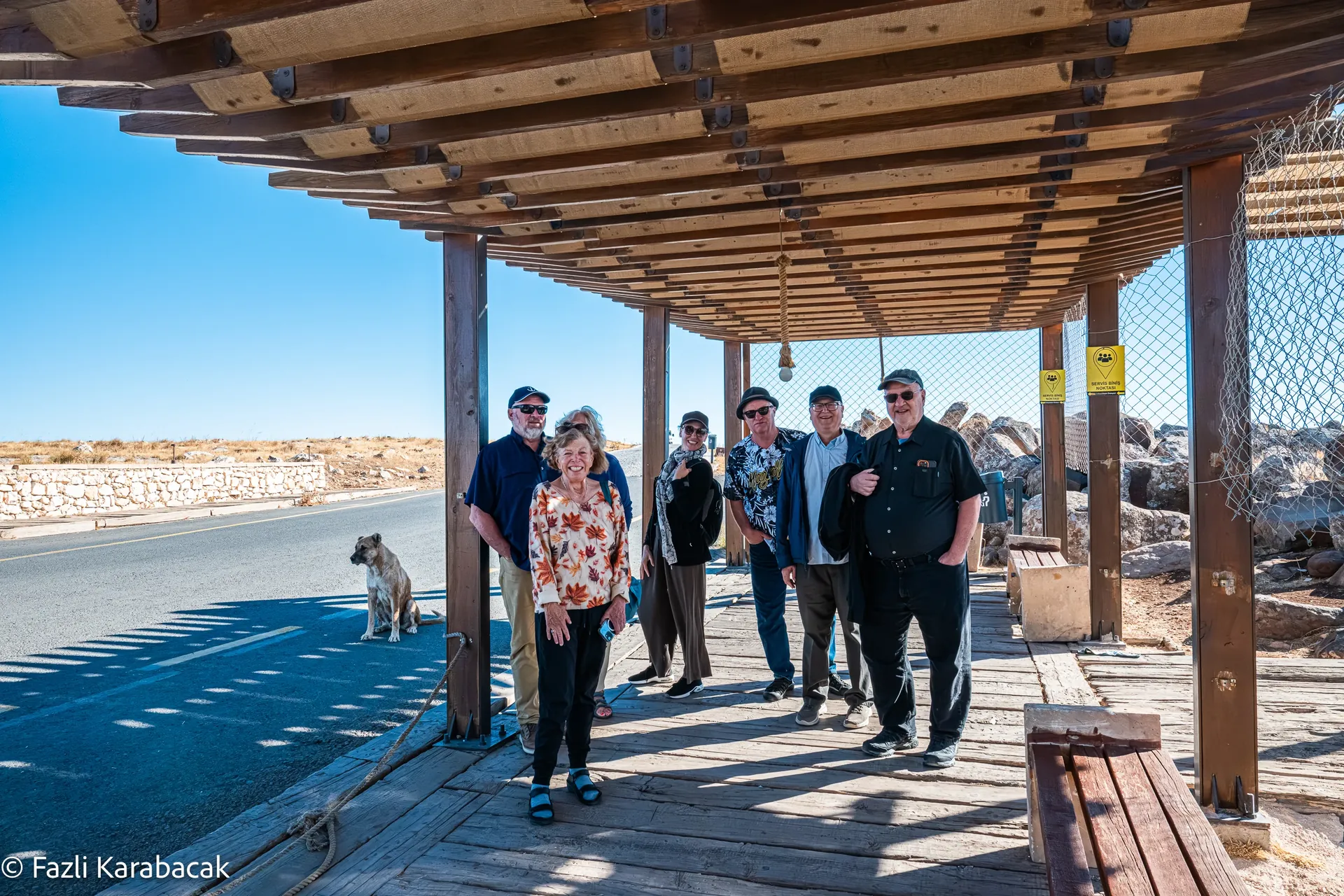
Getting There
Göbekli Tepe is located approximately 12 km northeast of the city of Şanlıurfa (often called Urfa) in southeastern Turkey. The journey takes around 20 minutes by car along a well-signposted road.
By Car
Follow signs for "Göbekli Tepe" from central Şanlıurfa. The road is paved and well-maintained. There is a free car park at the visitor centre.
By Taxi or Dolmuş
Taxis are readily available from Şanlıurfa city centre. Agree on a fare in advance or use the meter. Dolmuş (shared minibus) services also run from the city, though schedules can be irregular.
By Guided Tour
For a deeper experience with expert archaeological commentary, join an organised tour. Serendipity Tours runs specialist small-group archaeology tours that include Göbekli Tepe and Karahantepe.
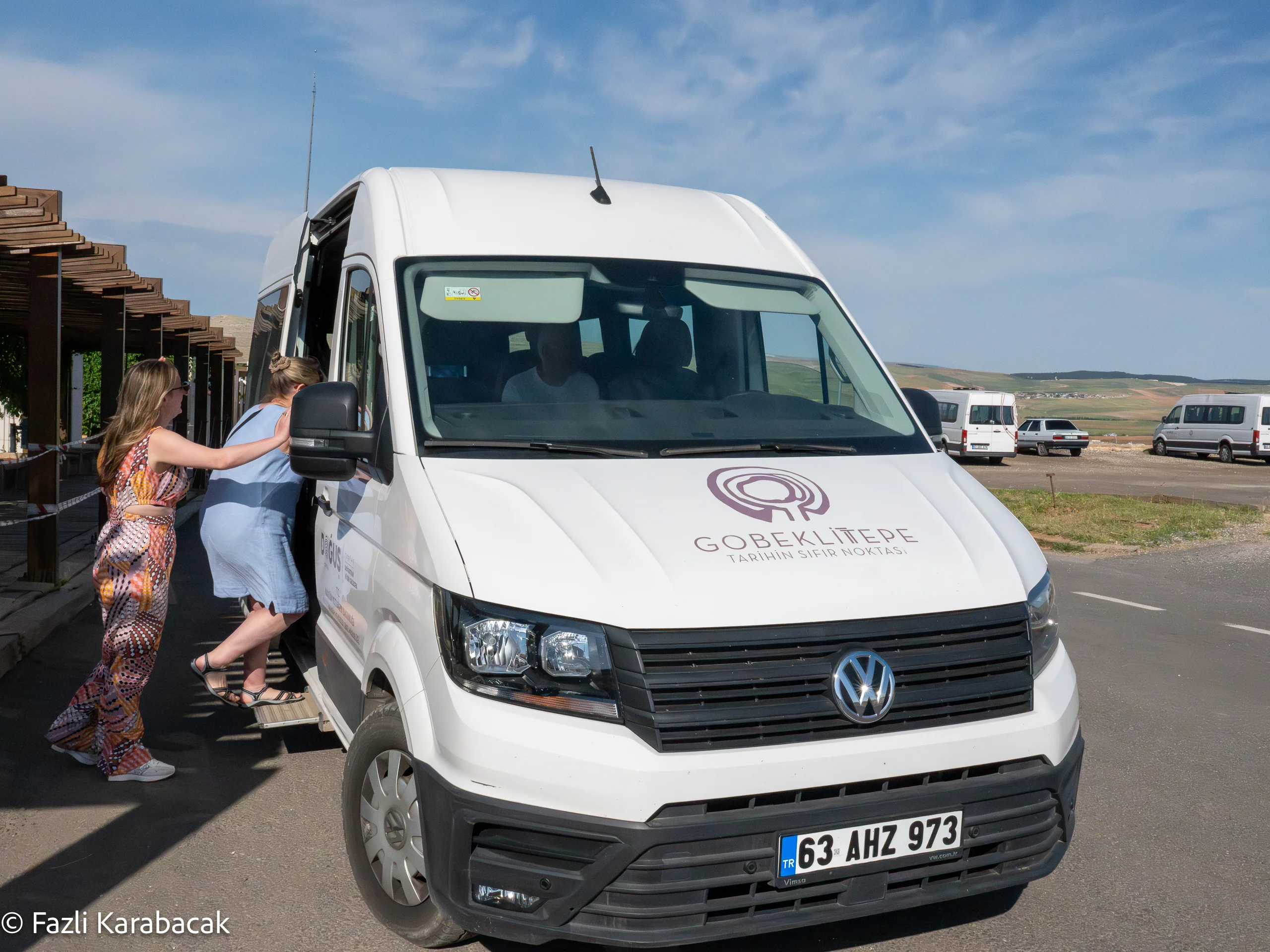
Göbekli Tepe is 12 km northeast of Şanlıurfa — roughly 20 minutes by car.
Opening Hours & Tickets
Göbekli Tepe is managed by the Turkish Ministry of Culture and Tourism and is open year-round, weather permitting.
Opening time (all seasons)
Closing (winter / summer)
Museum Pass accepted
Exhibits, café & shop
Note: Ticket prices and hours are set by the Ministry and may change. We recommend checking the official Turkish muze.gov.tr website or contacting the Şanlıurfa Museum before your visit.
The Visitor Experience
A modern shelter now covers the main excavation areas (Enclosures C and D), protecting the ancient pillars from the elements while allowing visitors to view them from elevated walkways.
Elevated Walkways
Raised metal walkways give you clear views of the circular enclosures and their carved pillars from above — an angle that reveals the symmetrical layout beautifully.
Information Panels
Bilingual panels in Turkish and English explain each enclosure, the key carvings, and the broader significance of the site.
Visitor Centre
The modern visitor centre near the entrance houses exhibits, a short documentary screening area, a café, and a gift shop.
Allow 1.5–2 Hours
Plan at least 90 minutes for the visitor centre, walkways, and surrounding views. With a guide, budget closer to two hours.
Best Time to Visit
Southeastern Turkey has a continental climate with hot summers and cold winters. Your timing can significantly affect the experience.
Spring
March – May
Ideal. Warm days, green landscape, wildflowers on the mound. Comfortable for walking. Moderate visitor numbers.
Summer
June – August
Very hot — temperatures regularly exceed 40°C. Visit at opening time (8 AM) to beat the heat. Carry plenty of water.
Autumn
September – November
Excellent. Cooling temperatures, golden light, fewer tourists. October is especially rewarding.
Winter
December – February
Cold but atmospheric — occasional snow dusts the pillars. Very few visitors. Dress warmly in layers.
Photography tip: Early morning and late afternoon provide the best light for photographing the pillars and the sweeping views across the Harran Plain.
What to Bring
The site is well-maintained but exposed to the elements. Come prepared for an outdoor experience.
-
Comfortable walking shoes
Paths are paved but involve some inclines
-
Sun protection
Hat, sunscreen, and sunglasses — little shade outside the shelter
-
Water
Carry at least 1 litre, especially in summer
-
Camera
Photography is permitted throughout the site
-
Light layers
Mornings can be cool even in warmer months
-
Snacks
The café is small — bring something for longer visits
Combine Your Visit
Göbekli Tepe sits within one of the richest archaeological regions on Earth. These nearby sites make for an unforgettable full-day or multi-day itinerary.
Karahantepe
35 km — ~45 min
A contemporary Neolithic site with a remarkable carved pillar shrine. The most important sister site to Göbekli Tepe.
Explore karahan-tepe.com →Şanlıurfa Museum
In Şanlıurfa city
One of Turkey's largest archaeology museums. Houses the Urfa Man (the oldest life-size human statue), finds from Göbekli Tepe, and a full-scale replica of Enclosure D.
Balıklıgöl
Central Şanlıurfa
The Pool of Sacred Fish, associated with the Prophet Abraham in Islamic tradition. A beautiful mosque complex and peaceful gardens in the old city.
Harran
44 km south of Urfa
An ancient city mentioned in the Bible, famous for its distinctive beehive-shaped adobe houses and the ruins of one of the world's oldest universities.
Suggested Full-Day Itinerary
- Morning Şanlıurfa Archaeology Museum — see the Urfa Man and Göbekli Tepe gallery
- Midday Drive to Göbekli Tepe — explore the visitor centre and walkways
- Afternoon Continue to Karahantepe — the carved pillar shrine and hilltop views
- Evening Return to Şanlıurfa — stroll Balıklıgöl and enjoy local cuisine
Where to Stay
Şanlıurfa is the natural base for visiting Göbekli Tepe and the surrounding archaeological sites. The city offers a full range of accommodation.
Boutique & Heritage Hotels
Several beautifully restored traditional stone houses in the old city have been converted into boutique hotels — offering courtyard gardens, stone archways, and an atmospheric base for your explorations.
Mid-Range & Business Hotels
Modern hotels near the city centre offer comfortable rooms, breakfast buffets, and easy access to the museum and Balıklıgöl area.
Budget Options
Guesthouses and hostels are available near the bazaar and old town. Şanlıurfa remains one of the more affordable cities in Turkey for travellers.
Cultural Notes & Tips
Şanlıurfa is a conservative and deeply hospitable region. A few tips will help you get the most from your visit.
Dress Modestly
Şanlıurfa is a traditional city. Covering shoulders and knees is appreciated, especially when visiting mosques or Balıklıgöl. At the archaeological site itself, dress is more relaxed, but sun-covering clothing is practical anyway.
Turkish Hospitality
You will likely be offered çay (tea) everywhere you go. Accepting is a sign of respect and a wonderful way to connect with locals. Şanlıurfa is famous for its warmth toward visitors.
Useful Phrases
Merhaba (hello), Teşekkürler (thank you), Lütfen (please), Ne kadar? (how much?). Even a few words in Turkish are genuinely appreciated.
Photography
Photography is allowed at Göbekli Tepe and Karahantepe. Flash photography may be restricted in certain areas. Always ask permission before photographing people.
Stay on Marked Paths
The archaeological sites are active excavation zones. Please stay on designated walkways and do not touch or climb on the pillars. Respect barriers and signage.
Ready to See It for Yourself?
Stand where hunter-gatherers carved the first monumental pillars. Join a guided archaeology tour or plan your own independent visit.
Tours operated by serendipitytours.com.au