Quick Answer
Taş Tepeler, or the “Stone Hills,” is the name now used for the wider network of Pre-Pottery Neolithic sites in the Şanlıurfa region that includes Göbekli Tepe, Karahan Tepe, and several other monumental centres. This network matters because it shows that Göbekli Tepe was not a solitary anomaly but part of a broader ritual and architectural world spread across southeastern Anatolia.
At a Glance
- Meaning: “Stone Hills”
- Region: Şanlıurfa and its wider limestone uplands
- Includes: Göbekli Tepe, Karahan Tepe, and other related sites
- Why it matters: It turns Göbekli Tepe from an isolated wonder into part of a regional Neolithic system
- Best takeaway: The story is bigger than one hill
For a long time, Göbekli Tepe was treated as if it had appeared out of nowhere — a singular miracle on a ridge. That way of telling the story is no longer sustainable. The more we learn about the Şanlıurfa region, the clearer it becomes that Göbekli Tepe belongs to a wider constellation of sites. Taş Tepeler changes the frame. Instead of one astonishing monument, we are looking at an entire landscape of early ritual architecture, symbolic experimentation, and social coordination.
What Does Taş Tepeler Mean?
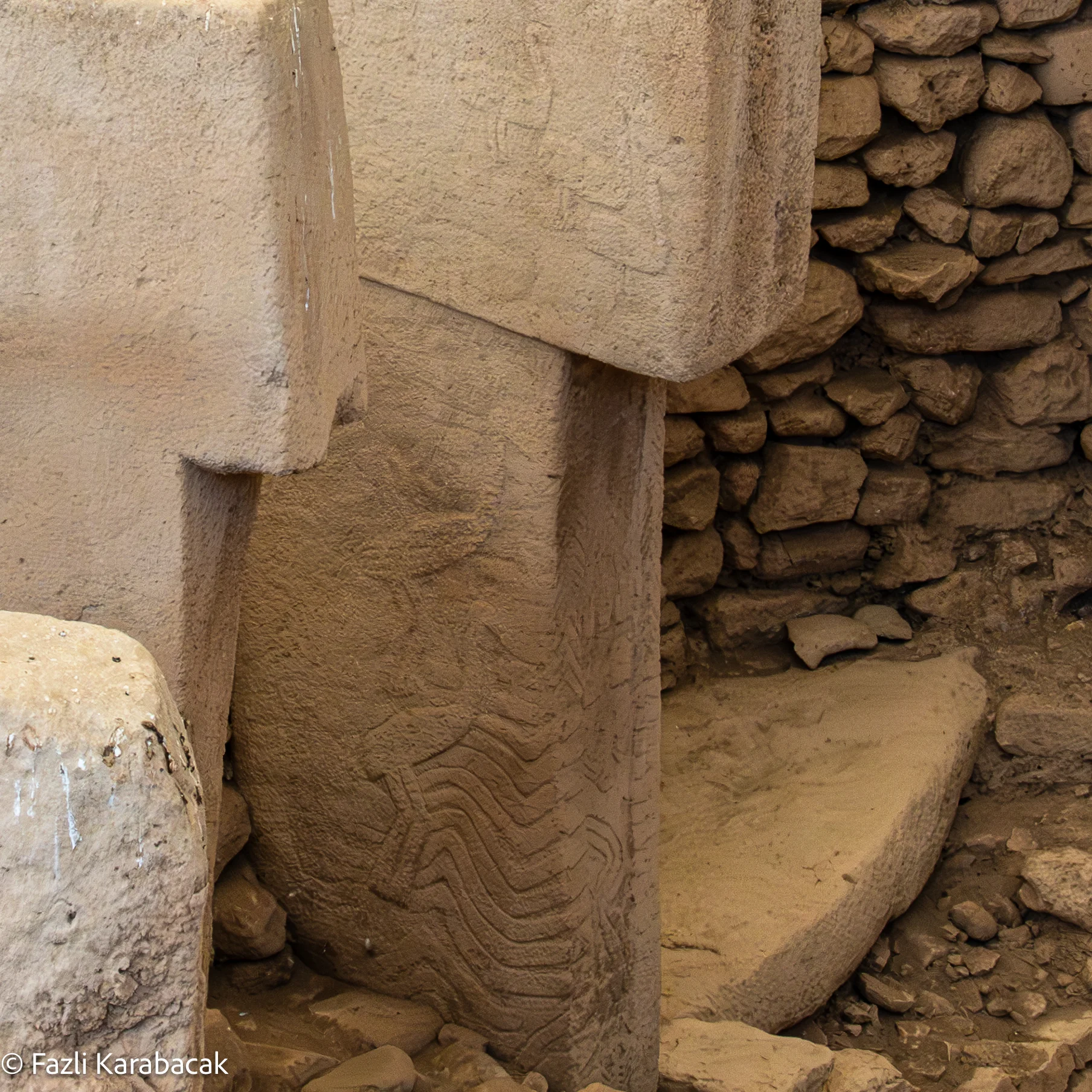
The phrase Taş Tepeler literally means “Stone Hills.” It refers to a growing group of Neolithic sites across southeastern Turkey, especially around Şanlıurfa, where archaeologists have found T-shaped pillars, monumental stone architecture, and related symbolic traditions.
The phrase matters because it gives us a new scale of understanding. Göbekli Tepe is still foundational, but it is no longer sufficient by itself. The wider network forces us to think regionally.
Why the Network Matters So Much
If Göbekli Tepe were the only site of its kind, we might still explain it away as an anomaly — an exception, a strange local outburst, a one-time ritual experiment.
Taş Tepeler makes that explanation much harder.
With Karahan Tepe and other related sites now in view, we can see that the people of this region were participating in a much larger architectural and symbolic world. This was not one hill with one miracle. It was a broader Neolithic landscape with repeated building traditions, repeated ritual practices, and repeated investments in monumental space.
Göbekli Tepe Was the Beginning, Not the Whole Story
Göbekli Tepe remains the site that forced the world to pay attention. It changed archaeology by showing that monumental architecture could predate agriculture and urbanism.
But once the Taş Tepeler picture emerged, Göbekli Tepe began to look less like a lonely first step and more like one major node within a richer system.
That does not diminish Göbekli Tepe. It expands it.
Karahan Tepe and the Strongest Comparison
The most dramatic comparison is with Karahan Tepe.
Karahan Tepe shares enough with Göbekli Tepe to make the relationship unmistakable: T-shaped pillars, ritual architecture, symbolic carving, and evidence of deliberate structural closure. But it also differs in ways that are just as important. Rock-cut spaces, stronger snake symbolism, and a different architectural atmosphere suggest that each site in the network had its own ritual identity.
Together, the two sites prove that early Neolithic monumentality in this region was diverse, not uniform.
Other Sites in the Taş Tepeler Landscape
Taş Tepeler includes more than Göbekli Tepe and Karahan Tepe. Other sites in the broader network have entered the conversation as excavations and survey work expand.
Even where the public knows little about them yet, their existence matters. Each additional site weakens the old habit of treating Göbekli Tepe as an isolated wonder and strengthens the case for a deeply connected regional world.
This is one reason the phrase Taş Tepeler is so useful. It lets us talk about the system, not only the superstar.
What Taş Tepeler Tells Us About the Neolithic
The network has major implications for how we understand the Neolithic transition.
It suggests that ritual building, symbolic communication, and large-scale cooperation were not occasional side effects of early settled life. They may have been central drivers in how communities organised themselves.
In that sense, Taş Tepeler is not just a group of sites. It is evidence that an entire region was participating in a transformation of human social life.
A Regional Ritual World
One of the most important ideas behind Taş Tepeler is that these sites may have worked together as parts of a larger ritual landscape.
That does not mean they were all identical or centrally controlled. It means they likely shared a broad cultural grammar. T-shaped pillars, symbolic animals, formal enclosures, carefully chosen locations, and structured closure practices all point toward related ways of thinking about place and meaning.
This is why the regional lens matters so much. A single site can amaze us. A network changes our historical model.
Why Visitors Should Care
For visitors, this changes the experience in a useful way.
If you only know Göbekli Tepe as an isolated world wonder, you may leave impressed but with too narrow a frame. If you understand Taş Tepeler, the site becomes part of a wider story: one region, multiple centres, and a much bigger experiment in early architecture and ritual life.
That is also why combining Göbekli Tepe with Karahan Tepe is so valuable. The Göbekli Tepe to Karahan Tepe Day Tour is not just convenient travel planning — it is one of the best ways to understand the regional story.
Why This Matters Now
Taş Tepeler is still unfolding. New excavations, new finds, and new site comparisons are still changing the picture.
That makes this one of the most exciting moments to be following the archaeology of southeastern Anatolia. We are no longer simply asking what Göbekli Tepe means. We are asking what this whole landscape means.
And that is a much bigger question.
Key Takeaways
- “Stone Hills” — that is what Taş Tepeler means, and the name fits. Multiple hilltop sites across the Şanlıurfa region share a ritual and architectural language.
- Göbekli Tepe was not alone. Karahan Tepe is the strongest comparison, but the network runs deeper.
- Monumental architecture, symbolic carvings, and deliberate burial appear across the region — this was a connected world.
- Bottom line: Taş Tepeler turns one astonishing site into an entire civilisational story.
Suggested Reading Path
- What Is Göbekli Tepe? — the foundation
- Karahan Tepe: Sibling or Rival? — the closest comparison
- Day Tour Guide — the practical route
When you are ready to turn the regional story into a real trip, start at Plan Your Göbekli Tepe Trip.
Frequently Asked Questions
What exactly does “Taş Tepeler” refer to? “Taş Tepeler” literally means “Stone Hills” in Turkish. It is the name adopted by the Turkish Ministry of Culture and Tourism in 2021 for a major archaeological research project covering twelve identified Pre-Pottery Neolithic sites across the Şanlıurfa region — including Göbekli Tepe, Karahan Tepe, Sayburç, Ayanlar Höyük, Sefer Tepe, Kurt Tepesi, Yenimahalle, Yoğunburç, Çakmaktepe, and others. The name is also used more loosely to describe the wider regional network these sites belong to.
Which Taş Tepeler sites are actually open to visitors? As of 2026, Göbekli Tepe and Karahan Tepe are the two sites with proper visitor infrastructure. Sayburç, with its remarkable relief scenes including the so-called “narrative scene” with a human figure between two leopards, has attracted significant attention but is not yet set up for casual tourism. The others are active research sites without public access. When I plan itineraries for clients, Göbekli and Karahan remain the practical pair for now.
What do the sites have in common archaeologically? Several consistent features: T-shaped pillars (though not at every site), specialised communal or ritual structures, a shared symbolic vocabulary of animal reliefs, evidence of deliberate burial or closure of buildings, and dates concentrated in the Pre-Pottery Neolithic A and early B, roughly 9500–8000 BCE. The shared design language is what makes “network” a fair word, rather than just “group.”
How different are the sites from one another? Different enough to be interesting. Göbekli Tepe is defined by its large circular freestanding enclosures. Karahan Tepe works subtractively into bedrock and has stronger snake symbolism. Sayburç produced the most complex narrative relief scenes yet found. Each site reads almost like a dialect of the same underlying cultural language — shared grammar, local accent.
What’s the single most significant site beyond Göbekli and Karahan? Sayburç, at the moment. The relief discovered there in 2021 — showing a human figure flanked by two leopards, with another figure holding what appears to be a snake or phallus — is the closest thing the Neolithic world has given us to a narrative scene. It suggests that early symbolic expression in this region was not only iconographic but potentially story-based, and that is a significant shift in how we can read the other sites.
Is Taş Tepeler going to change the story of Göbekli Tepe? It already has. The old image of Göbekli Tepe as a singular miracle — a one-off appearance of monumental architecture on an otherwise blank Neolithic map — is no longer tenable. What Taş Tepeler shows is that this was a regional phenomenon, probably supported by a shared cultural, ritual, and economic system across the Şanlıurfa uplands. Göbekli Tepe is still the most famous and most fully excavated node in that network, but it is a node, not a miracle.
Fazlı Karabacak is a licensed Turkish tour guide with over 25 years of experience and the founder of Serendipity Turkey. He specialises in archaeological and cultural tours across Turkey, with particular expertise in Göbekli Tepe, Karahan Tepe, and the wider Pre-Pottery Neolithic world.