Quick Answer
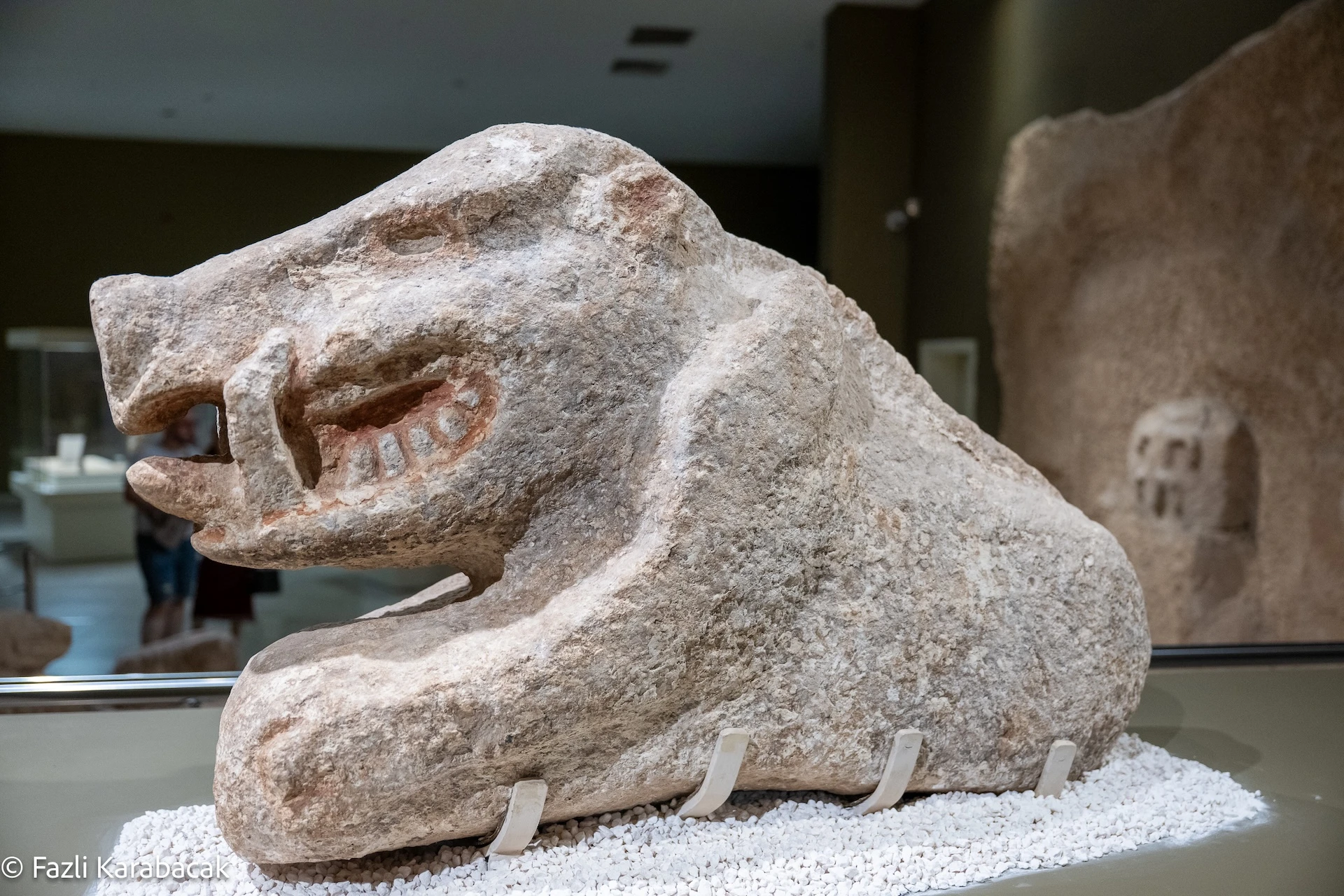
The wild boar is one of the most physically intense animals in the symbolic world of Göbekli Tepe. It is especially associated with Enclosure C and stands out because of its aggressive presence, its connection to hunting danger, and the way it adds a more visceral layer to the site’s carved animal programme.
At a Glance
- Animal type: Wild boar
- Strongest association: Enclosure C
- Why it matters: It represents danger, force, and direct confrontation
- Main question: Why did one enclosure seem to organise its symbolic world around such an aggressive animal?
Among the animals at Göbekli Tepe, the wild boar feels different.
The fox suggests cunning. The snake suggests hidden force. The vulture suggests transition and death. The boar, by contrast, feels immediate. It belongs to impact, charge, aggression, and physical danger.
Why the Boar Matters
The boar matters because it helps define one of the site’s strongest enclosure identities.
Just as snakes and foxes dominate other symbolic spaces, the boar appears to play a major role in Enclosure C. That makes it one of the animals most useful for understanding how Göbekli Tepe’s imagery was distributed across the site.
If you want the wider version of that argument, pair this with Each Enclosure, a Different World.
A More Physical Kind of Power
What makes the boar distinctive is the kind of power it represents.
This is not a subtle animal. It is an explosive one. A wild boar is dangerous at close range, unpredictable when threatened, and deeply associated with bodily risk. That gives it a different symbolic texture from animals such as the fox or the snake.
At Göbekli Tepe, that matters. The site’s animal imagery does not only communicate mystery or cosmology. It also communicates confrontation.
Enclosure C and Aggressive Presence
Enclosure C seems to carry a harsher emotional atmosphere than some of the other major spaces, and the boar fits that atmosphere well. For a related pairing in the site’s dangerous-animal world, continue with Bull and Snake at Göbekli Tepe.
If the fox is linked to one kind of symbolic identity and the snake to another, the boar seems to express a more direct and forceful relationship to danger. That may be one reason it works so well as an enclosure-defining animal.
It helps make Enclosure C feel like its own symbolic world rather than just another version of the same building type.
Hunting, Risk, and Identity
The boar also matters because it was not only symbolically dangerous. It was actually dangerous.
For Neolithic hunters, confronting a wild boar meant real bodily risk. That makes the animal especially important in any symbolic system tied to hunting ability, courage, or male identity.
Even if we avoid making overconfident claims about initiation rites or social structure, it is still reasonable to say that the boar carried the prestige of risk.
More Than Food
Like several other animals at Göbekli Tepe, the boar belonged to both lived and symbolic worlds.
It was a real hunted animal in the region, but its place in the carved programme suggests something beyond subsistence. The boar was not simply meat. It was a charged animal presence.
That is one reason the boar feels so important in relation to the site’s broader themes of power, danger, and ritual intensity.
The Boar Among the Other Animals
One useful way to understand the boar is comparatively.
- the fox works through proximity, identity, and symbolic intimacy
- the snake works through hidden force and threshold power
- the boar works through impact, aggression, and direct threat
Together, these animals create a more complete symbolic field.
What the Boar Tells Us About Göbekli Tepe
The boar suggests that Göbekli Tepe’s symbolic world included not only mediation and mystery, but also brute confrontation.
This matters because it helps correct a common misunderstanding. The site was not built around one single emotional register. Its animal imagery includes cunning, death, transformation, predation, danger, and force.
The boar is one of the clearest expressions of that last category.
Key Takeaways
- Enclosure C is the boar’s stronghold — home to its most powerful and concentrated appearances.
- Unlike the fox or vulture, the boar brings raw physical aggression into the symbolic programme.
- Its carvings suggest danger, confrontation, and the emotional weight of the hunt.
- Bottom line: The boar proves that Göbekli Tepe’s carved world was not all cosmology and ritual — it included visceral, physical threat.
See It for Yourself
Curious how the boar compares with other enclosure animals? Read Each Enclosure, a Different World and Snake Symbolism at Göbekli Tepe. When you are ready to stand in front of these carvings, the Plan Your Göbekli Tepe Trip page is where to start.
Frequently Asked Questions
Which enclosure is most associated with boars? Enclosure C is the stronghold of boar imagery at Göbekli Tepe. The animal appears frequently across its pillars and seems to function as the defining or dominant animal for that ritual space, much as foxes define Enclosure B or snakes dominate Enclosure A.
What makes the boar symbolically different from other animals at the site? Unlike the fox, which suggests cunning and liminal identity, or the snake, which suggests hidden force and transformation, the boar represents direct physical aggression and visceral danger. It is an animal of impact and confrontation rather than mystery or subtle mediation.
Did the boar have a practical role in Neolithic life at this region? Yes. Wild boar hunting was dangerous — boars are unpredictable and capable of serious injury — and successful hunters would have carried prestige and status. The carved boar at Göbekli Tepe probably represents not just a creature from the landscape but a symbol tied to hunting prowess, courage, and the risks of confronting powerful animals.
How confident are archaeologists in the boar interpretation? The boar’s appearance in Enclosure C is clear and well-documented. The interpretation that it functioned as an enclosure-defining animal is less certain but aligns with broader patterns in how animal imagery is distributed across the site. It should be treated as a strong working hypothesis rather than proven fact.
Can visitors see boar carvings at Göbekli Tepe itself? Some original boar reliefs remain visible on the pillars in Enclosure C if you visit the site. However, many of the finest portable sculptures and carved fragments are now housed in the Şanlıurfa Archaeology Museum, where you can see the details more clearly under controlled lighting.
Is the boar imagery connected to any broader regional tradition? The boar appears at other Taş Tepeler sites in southeastern Anatolia, though it is not as dominant as it is at Göbekli Tepe. This suggests that while boar symbolism may have been part of a wider Neolithic vocabulary, Enclosure C represents one of the most intense concentrations of boar-centred imagery in the early Neolithic world.
Fazlı Karabacak is a licensed Turkish tour guide with over 25 years of experience and the founder of Serendipity Turkey. He specialises in archaeological and cultural tours across Turkey, with particular expertise in Göbekli Tepe and the Pre-Pottery Neolithic sites of southeastern Anatolia.